

10 Flowers that Attract Hummingbirds and Butterflies
A pollinator bed can look busy all summer and still go light on food where it counts. The problem usually is not color. It is flower shape and timing. If you want more visits from hummingbirds and butterflies, plant for tubular blooms, flat landing pads, and a bloom window that starts in spring instead of peaking once in July.
The flowers that attract hummingbirds and butterflies are not interchangeable. Hummingbirds work long, narrow flowers where their beaks can reach nectar fast. Butterflies need a flower they can settle on while feeding. A garden that keeps both moving through the yard needs both flower forms, plus enough overlap that the buffet does not shut down after eight weeks.

Bloom timing matters as much as flower type. A bed full of midsummer nectar plants feeds pollinators for a few good weeks, then leaves a gap. Add spring flowers like columbine and lupine, then carry the season with salvia, petunia, sunflower, and four o'clocks, and you can keep the garden active from the first hummingbird pass to late monarch movement. If you are still mapping what to sow and what to start early, Park Seed's guide to when to start seeds indoors helps sort out the calendar.
Quick Comparison of 10 Flowers That Attract Hummingbirds and Butterflies
Use this chart to spot where your pollinator planting is thin. The best mix is not ten flowers planted once. It is a sequence of flowers that cover spring, summer, and late season while giving hummingbirds and butterflies different ways to feed.
| Flower | Attracts | Annual or Perennial | Sun Needs | Bloom Season | Height | Best Use |
|---|---|---|---|---|---|---|
| Salvia | Hummingbirds, butterflies | Annual in many gardens; perennial in warmer zones by type | Full sun | Summer to frost | 18 to 36 in. | Borders, containers |
| Lupine | Hummingbirds | Perennial | Full sun to part shade | Late spring | 24 to 48 in. | Back border, cottage gardens |
| Columbine | Hummingbirds, butterflies | Perennial | Part shade | Spring | 12 to 30 in. | Woodland edges, mixed beds |
| Begonia | Hummingbirds | Annual | Part shade to shade | Summer to frost | 12 to 18 in. | Baskets, porch pots, shade beds |
| Butterfly Weed | Butterflies, especially monarchs | Perennial | Full sun | Late spring to summer | 18 to 36 in. | Sunny borders, dry spots |
| Morning Glory | Hummingbirds, butterflies | Annual vine | Full sun | Summer to frost | 6 to 10 ft. | Fences, trellises |
| Bee Balm | Hummingbirds, butterflies, bees | Perennial | Full sun to part shade | Summer | 24 to 48 in. | Back border, cutting garden |
| Sunflower | Butterflies | Annual | Full sun | Summer into fall | 2 to 10 ft. | Borders, cutting rows |
| Petunia | Hummingbirds, butterflies | Annual | Full sun | Spring to frost | 6 to 18 in. | Containers, window boxes |
| Four O'Clock | Hummingbirds, butterflies | Annual; tender perennial in warm zones | Full sun to part shade | Summer to frost | 18 to 36 in. | Borders, evening gardens |
Why Hummingbirds and Butterflies Visit Different Flowers
Hummingbirds and butterflies both come for nectar, but they reach it in different ways. Hummingbirds hover and probe deep blooms. Butterflies land and feed from flatter flowers, clustered flowers, or any bloom that gives them a steady place to perch.
Color helps, but it is not the whole story. Hummingbirds notice red and orange fast, yet they will work pink, blue, and purple tubular flowers just as hard when nectar is there. Butterflies are drawn to warm shades and can track petal patterns we cannot see. The better planting question is not "what color should I buy?" It is "can the pollinator reach the flower, and is something blooming when it arrives?"
10 Flowers That Attract Hummingbirds and Butterflies Best
These ten flowers cover a wider run of light conditions, bloom windows, and garden jobs than a one-note pollinator mix. Some are strongest for hummingbirds, some lean butterfly, and some do both well enough to keep the same bed busy from different angles.
1. Salvia
Salvia is one of the easiest ways to bring hummingbirds into a garden because the flower tubes match the way they feed. It also keeps butterflies interested when bloom stays heavy through hot weather. In a mixed border, salvia does the useful work of carrying nectar production when spring flowers have passed and late-season annuals are still building up.
Give salvia full sun and room for air to move around the plants. Most forms hold up well in summer heat, and many rebloom without much hand-holding. It is a smart pick for borders and larger containers when you want a plant that keeps working instead of giving one quick flush.
2. Lupine
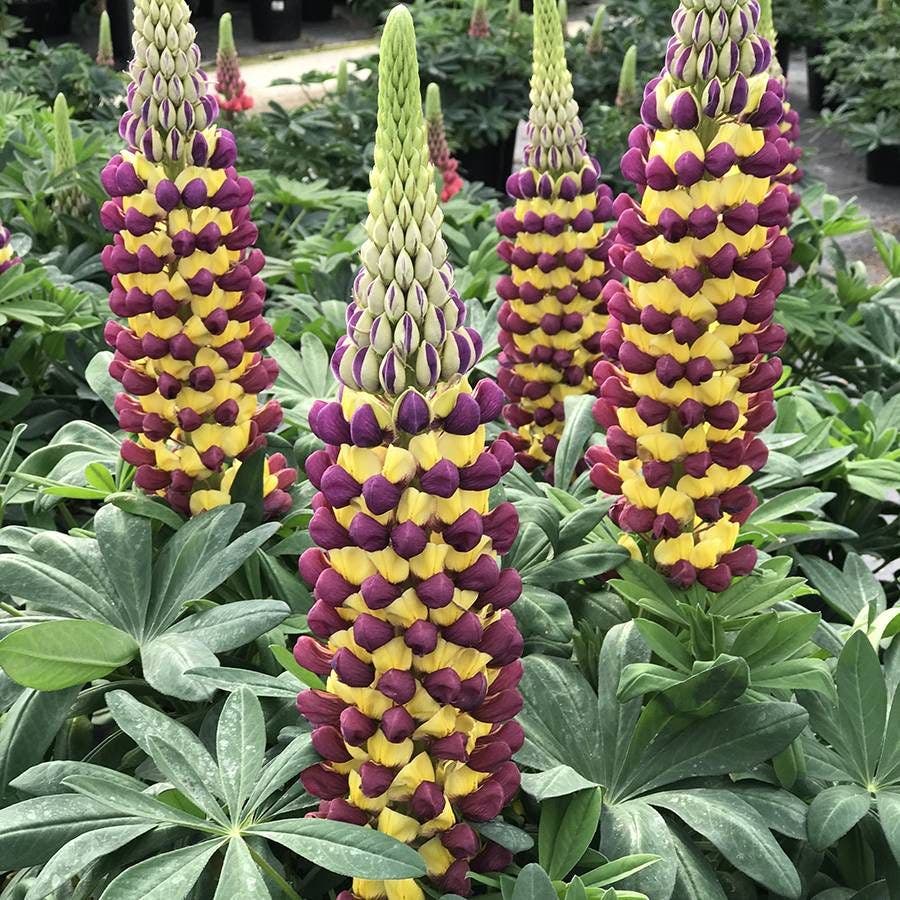
Lupine matters because it feeds hummingbirds in late spring, when migration has already started and many summer nectar plants are not ready yet. Those dense flower spikes give the garden an early vertical note, but the real value is timing. A hungry hummingbird notices what is open first.
Lupine tends to do best where summers stay on the cooler side. Plant it in well-drained soil, keep it out of the hottest reflected heat, and let a few plants self-seed if you want the patch to settle in over time. If your spring bed always feels quiet after bulbs fade, this is one of the flowers that changes the mood fast.
3. Columbine
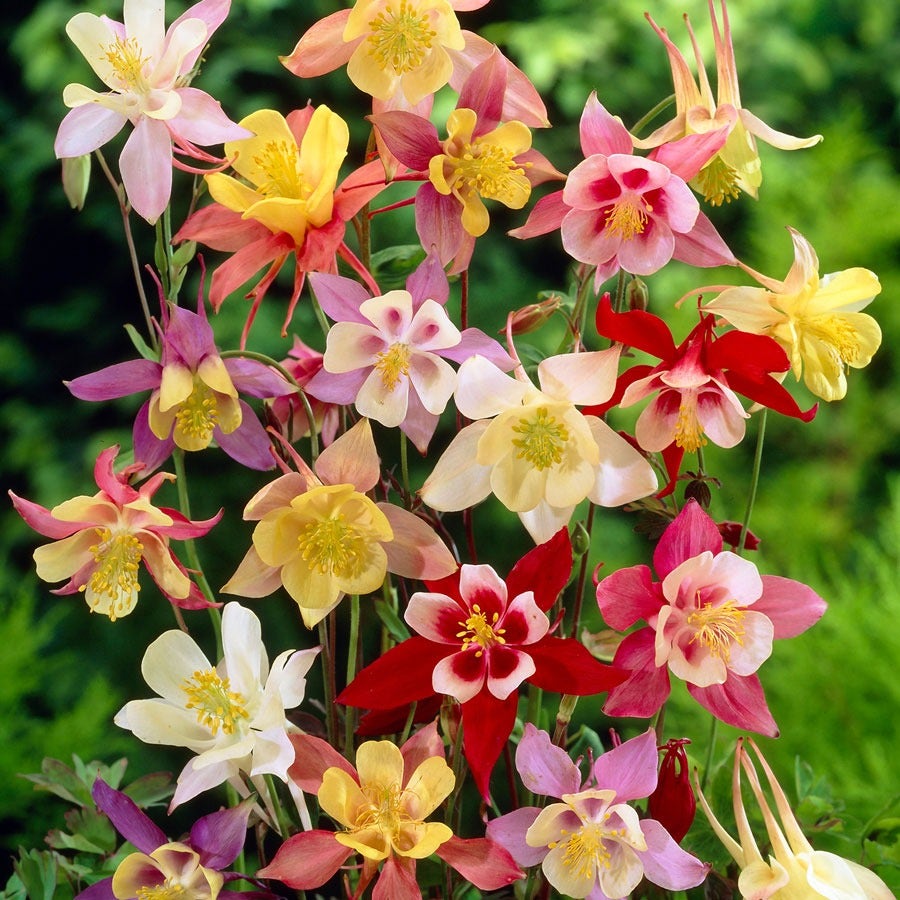
Columbine is one of the best flowers for early hummingbird activity because it blooms before most annual pollinator flowers even make it into the ground. The spurred blooms hang in a way hummingbirds can work easily, and the plant opens up a part-shade niche that many nectar-heavy flowers miss.
Use columbine along a woodland edge, near shrubs, or in a bed that gets morning sun and afternoon shade. Let a few seed heads mature if you want it to wander into open pockets nearby. That loose, natural spread often looks better than a stiff block planting anyway.
4. Begonia
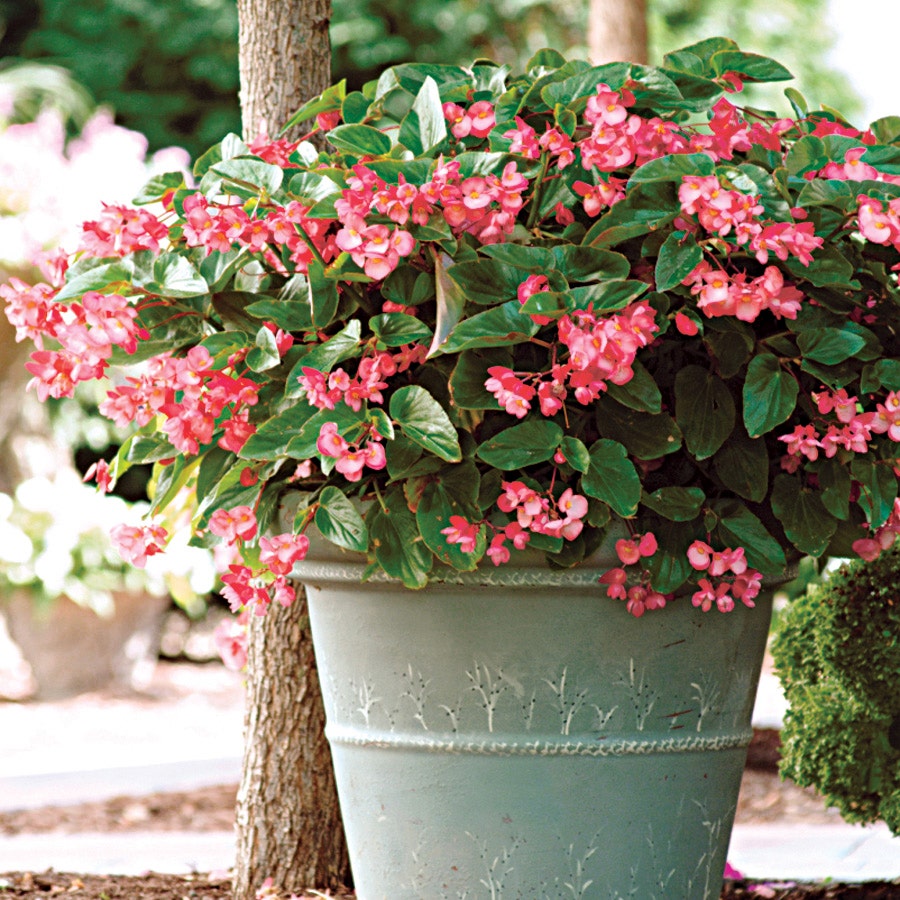
Begonia earns a place on this list when you need hummingbird color in shade. Sunny pollinator beds get most of the attention, but porches, north-facing patios, and lightly shaded entries can still be active if you plant flowers that hang where hummingbirds can see and reach them.
Choose begonias for baskets, urns, and porch containers where the blooms sit near eye level. Keep the soil evenly moist and protect the plants from harsh afternoon sun. This is a good fix for the gardener who says, "I have hummingbirds in the yard, but never near the seating area."
5. Butterfly Weed
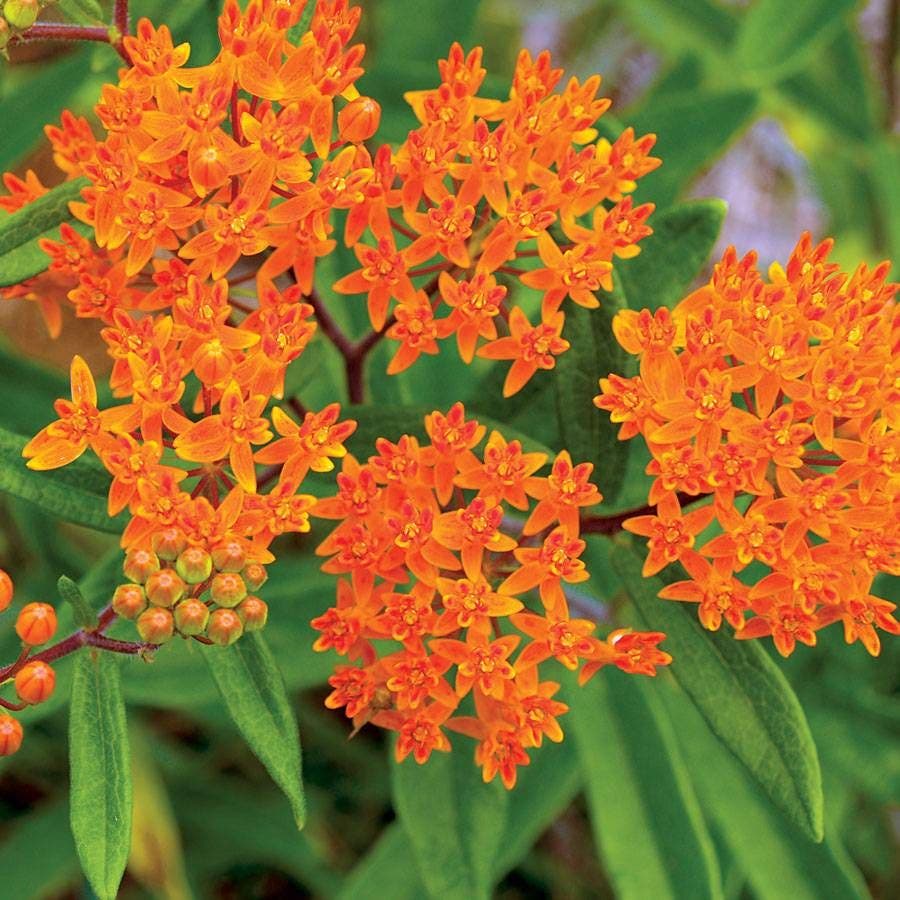
Butterfly weed matters because monarchs need milkweed to reproduce, not just to sip nectar. The orange flower clusters also feed adult butterflies, but the bigger point is host value. If you want the garden to support more than a quick visit, milkweed belongs in the plan.
Plant it in a sunny, well-drained spot and leave it alone long enough to settle. Butterfly weed does not love being moved once established. For gardeners building a monarch-friendly bed, this is usually the flower that turns a pretty planting into a functional one.
6. Morning Glory
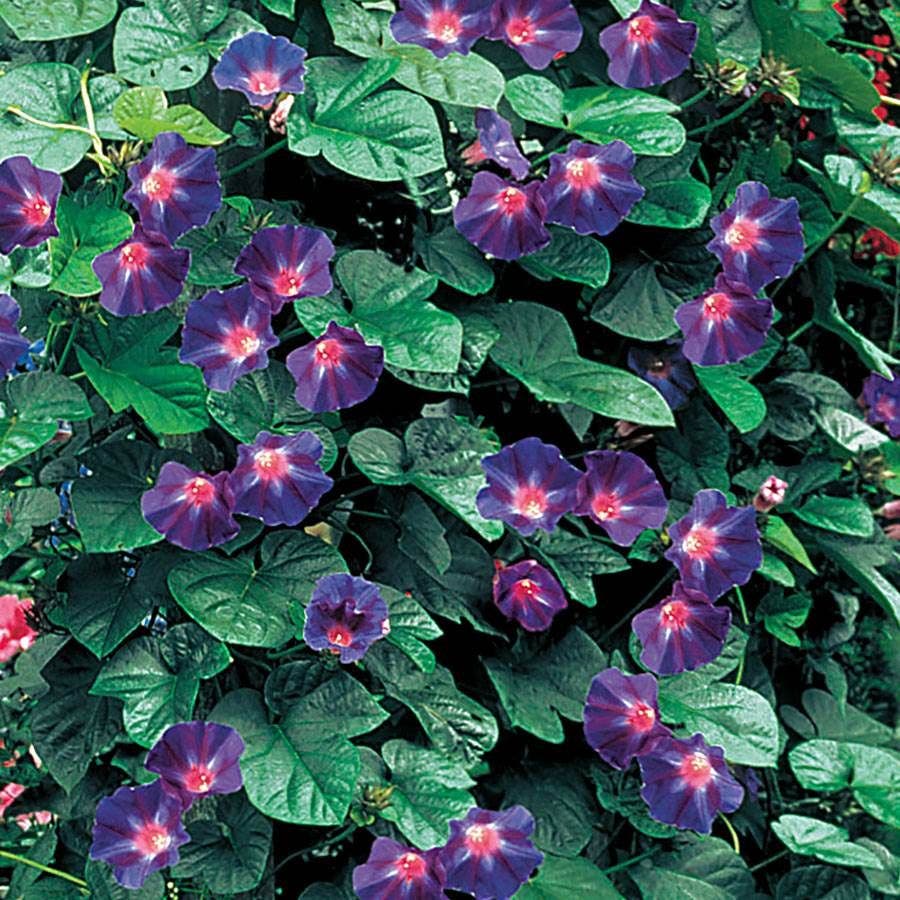
Morning glory solves a different pollinator problem: vertical space. If you have a fence, mailbox post, porch rail, or narrow trellis that feels bare by midsummer, a fast vine can turn it into a nectar stop without eating up bed space.
Direct sow after frost, give the seedlings something to climb, and expect a quick run once weather warms. Morning glories are especially useful where you want the pollinator garden to rise up into view instead of staying low and flat along the ground.
7. Bee Balm
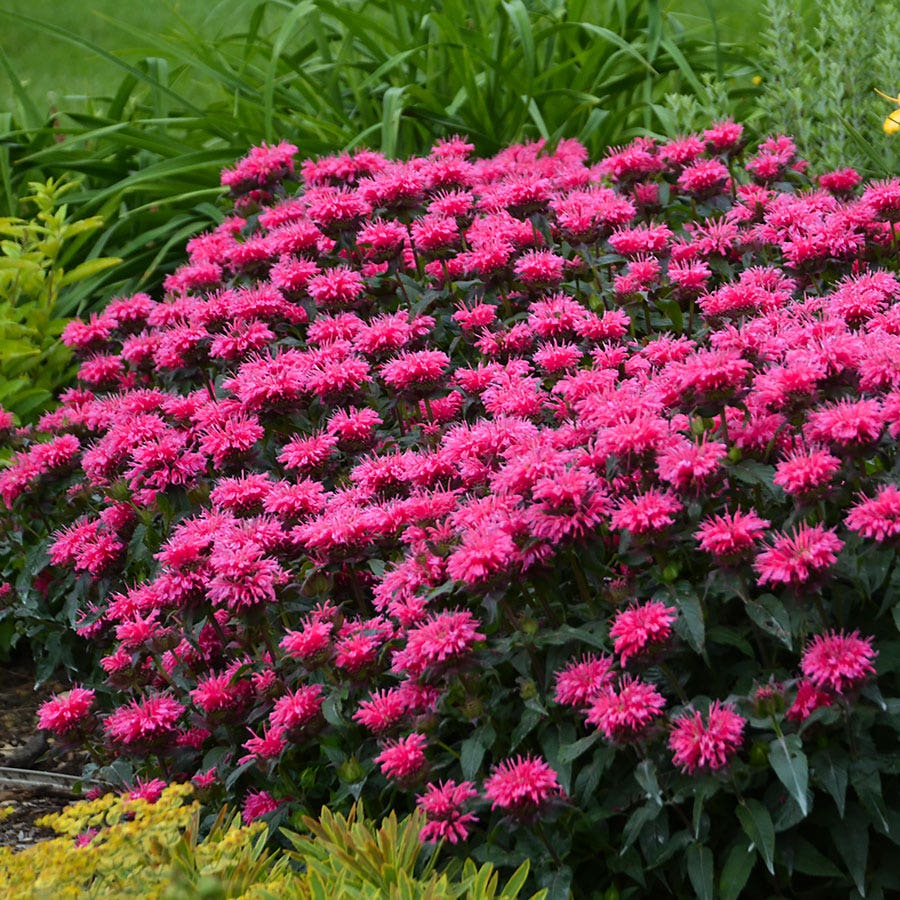
Bee balm feeds a wide range of pollinators because the bloom shape is busy from every angle. Hummingbirds work the tubular florets, butterflies land on the clustered heads, and bees keep the whole plant humming through midsummer.
Give it decent air flow, especially in humid climates, and divide spreading clumps when the patch starts to crowd itself. Bee balm is a strong middle-season bridge between spring flowers and the later annuals that carry on toward frost. Park Seed's seed germination guide is useful if you are starting part of the pollinator bed from seed and want a cleaner, more even stand.
8. Sunflower
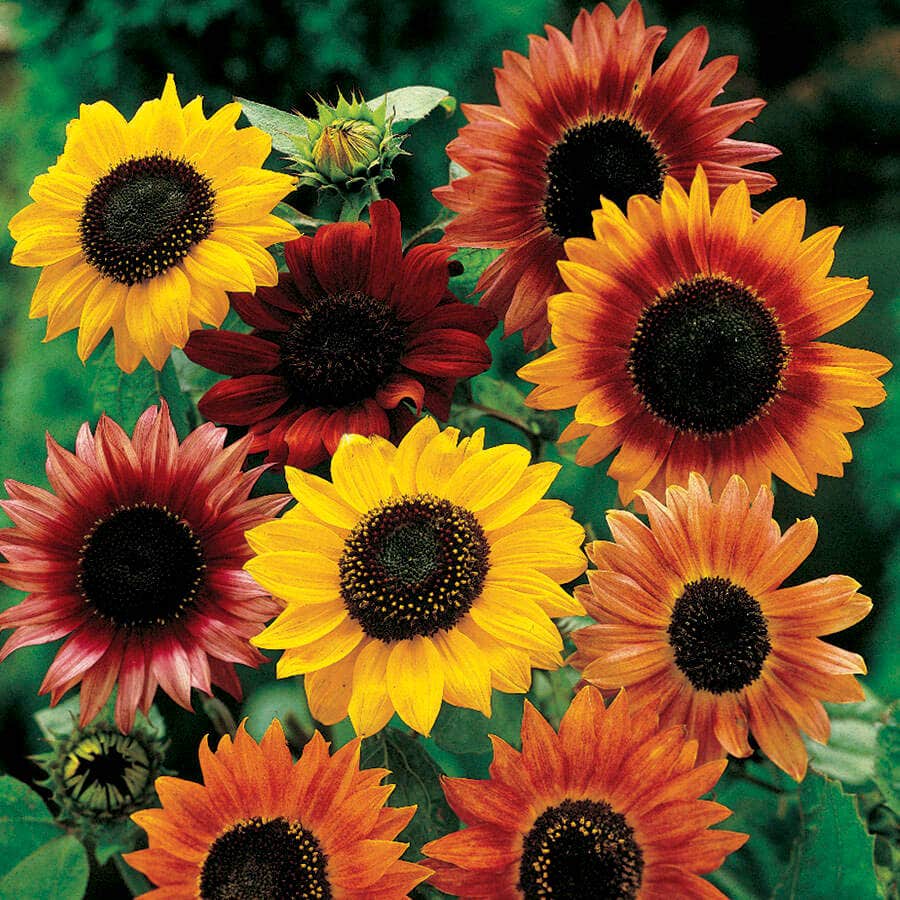
Sunflowers help butterflies because they give them somewhere steady to land. They also pull the garden upward and outward, which matters when the bed needs backbone in late summer. Then the seedheads keep paying back after bloom, feeding birds and giving the border a little structure as seasons shift.
Direct sow in full sun once the ground has warmed and protect young seedlings if birds or rabbits are heavy in your yard. If your pollinator planting always fades into a tangle by August, sunflowers are one of the simplest ways to keep it looking intentional.
9. Petunia
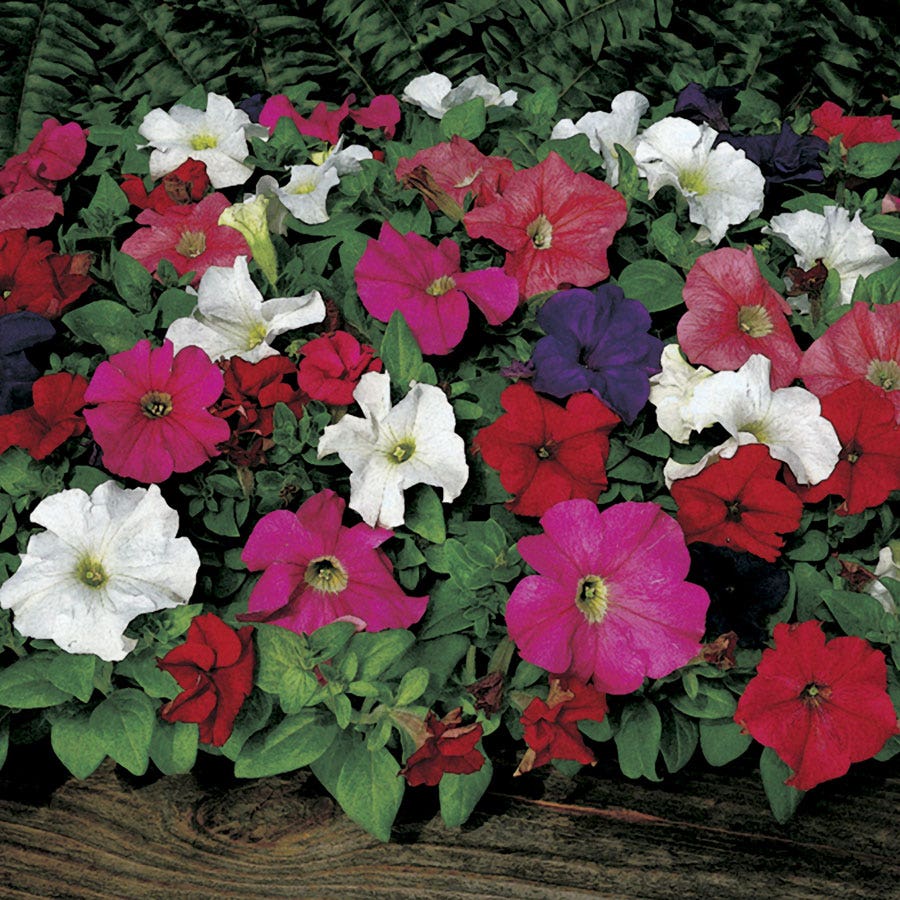
Petunias are one of the most practical pollinator flowers because they bloom for so long and fit almost anywhere. The trumpet shape suits hummingbirds, the steady color draws repeat visits, and the plants work in beds, boxes, baskets, and porch pots without asking for much space.
Shear them back lightly if midsummer growth gets stringy, then feed and water consistently to push a fresh round of bloom. For small-space gardeners, petunia is often the plant that keeps pollinator color close to the house instead of out in the far bed.
10. Four O'Clock
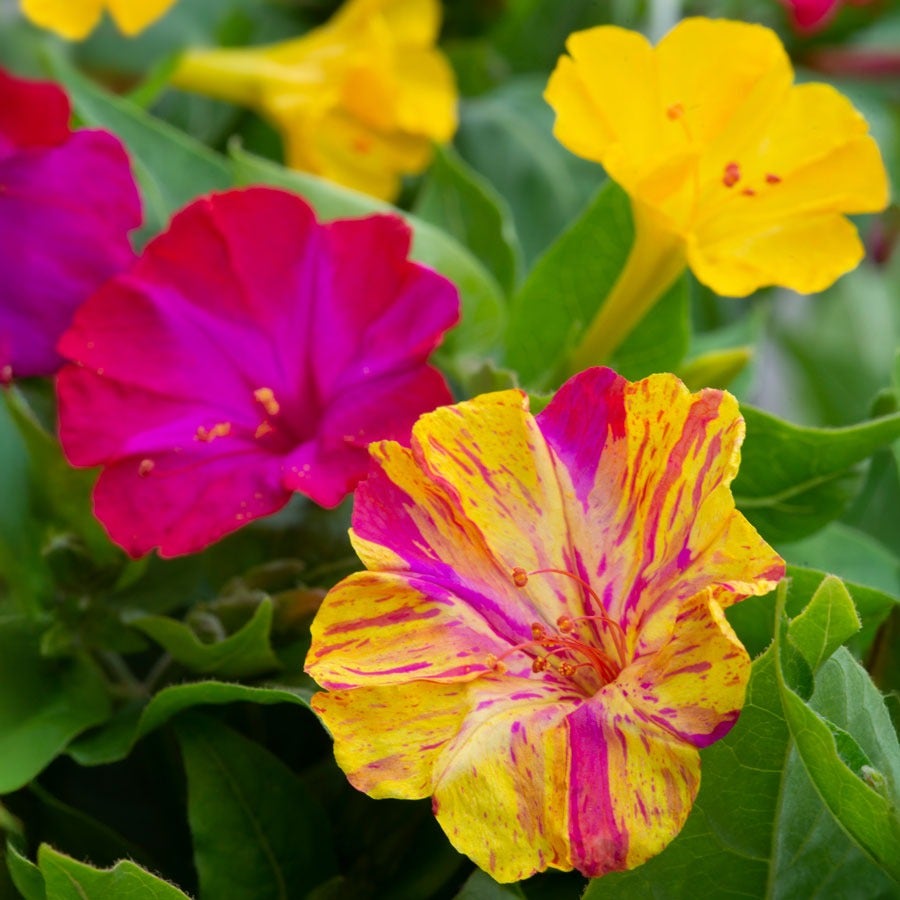
Four o'clocks stretch pollinator interest later into the day because the flowers open in late afternoon and stay useful into evening. That makes them especially good near patios, walkways, and after-work sitting areas where you are more likely to notice the traffic.
Direct sow after frost and give them room to fill out. In warm zones they may return from the root, and in many gardens they reseed enough to show up again without fuss. If most of your flowers shut down before dinner, this is the plant that changes that schedule.
How to Build a Garden That Supports Pollinators Longer
A longer-lasting pollinator garden starts with grouped planting and staggered bloom, not more random color. Pollinators spot larger sweeps more easily than one lonely plant tucked between everything else.
These are the habits that make the difference between a pretty bed and a busy one:
- Plant in clusters. Groups of three to five read from a distance better than singles.
- Mix flower forms. Use tubes for hummingbirds and landing-friendly flowers for butterflies.
- Build a bloom relay. Start with columbine and lupine, carry into summer with salvia and bee balm, then finish with sunflower, petunia, and four o'clocks.
- Skip pesticides on open flowers. If you need to treat a problem, keep applications away from blooming plants.
- Add water. A shallow dish with stones helps butterflies, while a mister or moving water can draw hummingbirds in for a closer pass.
Best Pollinator Flowers by Garden Need
Different spots in the yard ask for different pollinator plants. Use these quick groupings to match the flower to the problem you are trying to solve instead of treating every bed the same.
- Best for sunny beds: Salvia, bee balm, butterfly weed, sunflower, four o'clock, and morning glory.
- Best for part shade or shade: Columbine, begonias, and bee balm in lighter shade.
- Best annuals for long color: Petunia, salvia, four o'clock, morning glory, and sunflower.
- Best perennials for return bloom: Columbine, lupine, bee balm, and butterfly weed.
- Best for containers: Petunia, salvia, and begonias.
- Best for fences and trellises: Morning glory.
Frequently Asked Questions About Flowers That Attract Hummingbirds and Butterflies
What Flowers Attract Both Hummingbirds and Butterflies?
Salvia, petunia, morning glory, four o'clock, columbine, and bee balm all attract both. The common thread is accessible nectar plus a long enough bloom window to make repeat visits worthwhile.
Do Hummingbirds Prefer Red Flowers?
Hummingbirds notice red quickly, but flower shape matters more than color alone. A blue or purple tubular flower can outdraw a red bloom that does not fit the way they feed.
What Flowers Bloom the Longest for Pollinators?
Petunia, salvia, morning glory, and four o'clocks are some of the longest-running choices from summer into frost. Pair them with spring bloomers like columbine and lupine if you want a pollinator season that opens earlier and finishes later.
Are Annuals or Perennials Better for a Pollinator Garden?
Annuals usually give you more first-year bloom, while perennials stretch the garden's structure and seasonal rhythm over time. The strongest pollinator beds use both, because one covers the current season and the other improves the next one.
Can Containers Attract Hummingbirds and Butterflies?
Containers can attract both when you choose flowers with the right form and keep them blooming. Petunias, salvias, and begonias are especially useful near windows, porches, and seating areas where you want the activity close at hand.
What Should I Plant for Spring, Summer, and Fall Pollinator Color?
Plant columbine and lupine for spring, then shift to salvia, bee balm, butterfly weed, petunia, morning glory, and sunflower for summer. Carry the season toward frost with petunia, salvia, sunflower, and four o'clocks.
Further Reading and Sources
For more pollinator planning, Park Seed's best seeds to start indoors guide and seed germination guide help with timing and setup. Background pollinator references include Xerces guidance on pollinator-friendly plant lists and Monarch Joint Venture guidance on monarch host plants.
Plant for the first hungry week of spring and the last tired week of fall, and the garden will do more than look busy from the patio.