

How to Use Seed Tape for Perfect Garden Spacing
A straight, evenly spaced row gives small-seeded crops a clean start, and how to use seed tape is one of the easiest ways to get there. Seed tape places seed at set intervals in a biodegradable strip, so spacing is more consistent, sowing goes faster, and the finished row is easier to manage from the first watering forward. Park Seed has been helping gardeners sow with more precision since 1868, and this guide walks through how to plant seed tape, when to cover it with soil, which crops fit the format best, and how to get an even stand.
Seed tape is especially useful when you want neat salad rows, orderly root crops, or direct-sown flowers with a little more structure from the start. If you are also comparing tapes with other pre-sown formats, this post now includes a short guide to planting discs and mats as well.

Seed Tape at a Glance
These quick points answer the highest-intent questions fast, then the sections below walk through each step in detail.
- Seed tape is a biodegradable strip with seeds already spaced for planting.
- Yes, you should cover seed tape with soil. Do not leave it exposed on the surface.
- Moisture matters most in the first stretch. The tape must stay evenly moist so the paper softens and the seed can sprout.
- Seed tape works best for small seed you want in straight rows. Lettuce, carrots, radishes, and many flowers are natural fits.
- Uneven germination usually comes from dry soil, rough bed prep, or poor seed-to-soil contact.
- Seed tape saves time later. You spend less time thinning crowded seedlings and less seed gets wasted.
Quick Navigation
- What Is Seed Tape and When Does It Work Best?
- Do You Cover Seed Tape With Soil?
- How to Use Seed Tape Step by Step
- What Crops Work Best for Seed Tape?
- Why Is My Seed Tape Not Germinating Evenly?
- Where Can You Buy Seed Tape for a Home Garden?
- How to Plant Seed Discs and Mats
- Frequently Asked Questions
What Is Seed Tape and When Does It Work Best?
Seed tape is a narrow biodegradable strip that holds seeds at set intervals, and it works best when you want straight rows, clean spacing, and less thinning. The format is especially useful with small seed that is hard to place one by one, or when you want a planted row to look orderly from the start.
That spacing is the main reason gardeners search for a seed tape planting guide in the first place. It takes the fiddly part out of sowing. Instead of shaking too many seed into a furrow and sorting it out later, you place the strip, cover it, water it, and let the paper break down in the soil.
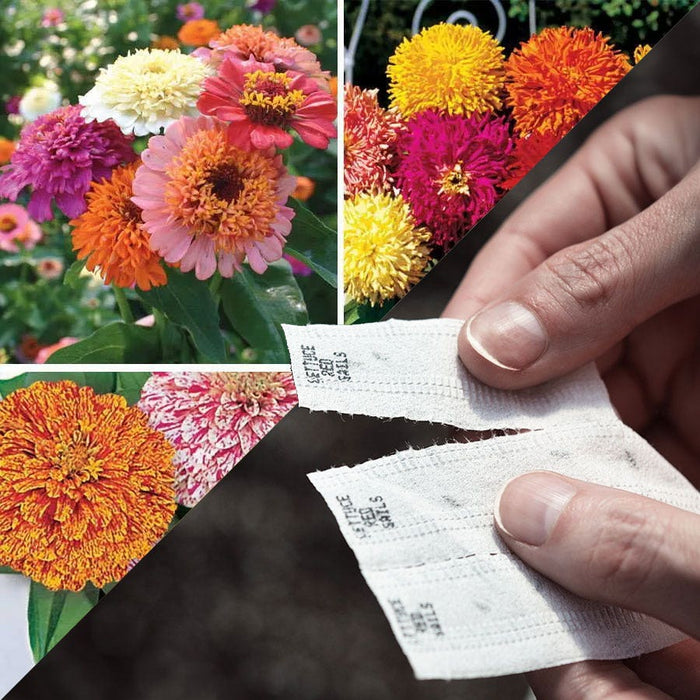
Park Seed offers good examples of how the format fits different jobs in the garden. The Sow Effortless Collection Sylvesta Lettuce Seed Tape suits tidy salad rows and roomy containers, while the Sow Effortless Collection Zinnia Seed Tape Collection fits direct-sown flower rows, bed patterns, and containers. For a broader look at format choices, Park Seed's seed tape, mat, and disc FAQ article is still a helpful reference.
Seed tape works best when seed size is small, spacing matters, and you want fewer corrections after germination.

Do You Cover Seed Tape With Soil?
Yes, you should cover seed tape with soil. Coverage helps the strip stay in place, keeps moisture around the seed, and gives seedlings the contact they need to sprout evenly.
That same planting approach carries through Park Seed's lettuce and zinnia seed tape items. Both are planted on smooth soil, covered lightly, and watered well after sowing. If you are using a Park Seed seed tape, keep the strip below the surface instead of leaving it exposed.
What changes from crop to crop is depth, not the need for coverage. Follow the product instructions first. If the packet gives a sowing depth, use that exact guidance. If your soil is crusted, cloddy, or heavy after rain, break it up before covering the tape so seedlings do not fight through a hard surface layer.
| Question | Short Answer | Why It Matters |
|---|---|---|
| Should seed tape stay on top of the soil? | No. | Exposed tape dries out and shifts too easily. |
| Should you cover seed tape with soil? | Yes. | Coverage improves seed-to-soil contact and protects moisture around the seed. |
| How much soil should go on top? | Use the packet depth. | Different crops need different sowing depths. |
| What if the soil forms a crust after watering? | Loosen the surface before planting next time and water gently. | Seedlings struggle when the top layer dries into a firm cap. |
Cover the tape, follow the packet depth, and keep the top layer evenly moist while the strip softens.

How to Use Seed Tape Step by Step
Using seed tape is simple when the bed is smooth, the furrow is shallow, and the row stays evenly moist after planting. The job takes only a few minutes, but each step matters because skipped prep shows up later as patchy germination.
The list below turns general seed tape instructions into a repeatable method you can use in a raised bed, in-ground row, or roomy container.
- Prepare the bed first. Rake out stones, big clods, old roots, and crusted soil so the tape can lie flat against a smooth surface.
- Make a shallow furrow at the packet depth. Let the crop instructions guide you instead of guessing by eye.
- Lay the seed tape straight in the row. Trim it to length if needed, and do not stretch or bunch it.
- Press lightly so the tape sits against the soil. Good contact helps the strip absorb moisture evenly.
- Cover with the recommended amount of soil. A light, even layer is better than dumping a heavy ridge over the row.
- Water gently but thoroughly. You want the whole seeded row moistened without washing the soil out of place.
- Keep the row evenly moist until seedlings are up. Dry swings in the first stage are one of the most common reasons seed tape disappoints gardeners.
- Mark the row. A plant tag or stake saves you from accidental hoeing, overwatering, or double sowing.
If germination has been spotty in past rows, follow this article with Park Seed's seed germination guide before your next sowing.
Takeaway: The best seed tape rows come from smooth soil, light coverage, and steady moisture from day one.
What Crops Work Best for Seed Tape?
Seed tape works best for crops with small seed and rows where spacing matters more than random scatter sowing. Lettuce is one of the clearest examples because clean spacing gives each head or cluster enough room to size up without a thick mat of seedlings competing for light and moisture.
The list below highlights where garden seed tape saves the most time and why each crop tends to benefit from the format.
- Lettuce: easy spacing for cut-and-come-again rows, small heads, and container sowing. Park Seed's Sylvesta lettuce seed tape is a strong example for cool-season planting.
- Carrots: one of the classic seed tape crops because the seed is tiny and thinning dense carrot rows is tedious.
- Radishes: quick emergence makes it easy to judge spacing, and neat rows help with succession sowing.
- Beets: seed tape keeps short salad rows orderly, especially in raised beds where every inch counts.
- Small annual flowers: seed tape works well when you want clean drifts, straight cutting rows, or repeated patterns. Park Seed's zinnia seed tape collection is aimed at that exact use.
- Container rows: seed tape is useful in broad, deep containers where you want evenly spaced greens or compact flower lines instead of patchy sowing.
Not every crop needs seed tape. Large seed like beans, peas, squash, cucumbers, and corn are usually easy enough to place by hand. Use the format where it solves a real placement problem, not just because the product exists.
If you want to browse the full format range, shop Sow Effortless seed tapes or see the broader Sow Effortless collection for tapes, discs, mats, and related planting options.
The best seed tape crops are the ones that benefit from precise spacing and a clean, orderly row from the start.
Why Is My Seed Tape Not Germinating Evenly?
Uneven seed tape germination usually comes from inconsistent moisture, rough soil contact, or surface conditions that dry or harden too quickly. The strip itself is rarely the problem. What matters is whether the seed stayed in a moist, settled pocket long enough to sprout.
These are the most common causes, and each one has a practical fix.
- The row dried out between waterings: keep the seeded strip evenly moist, especially in warm wind or on raised beds that dry fast.
- The bed was cloddy: large soil chunks leave air gaps around the tape, so some seed sits dry while other seed stays in contact.
- The tape was not pressed into the row: poor contact delays moisture absorption across the strip.
- The top layer crusted after watering: seedlings can struggle under a hard packed surface, especially in heavier soil.
- The seed was planted too deep or too shallow: follow the crop instructions on the packet, not a one-depth-fits-all rule.
- The soil was too cold for the crop: cool-season crops tolerate earlier sowing than warm-season flowers and vegetables.
This is also where the older Park Seed knowledge base helps. If your problem is sowing method, read how to plant seed discs, mats, tapes, and kits. If your problem is weak emergence across any sowing method, go to 12 proven methods to maximize seed germination and Seed Starting 101.
When seed tape comes up patchy, check moisture first, then surface condition, then depth.
Where Can You Buy Seed Tape for a Home Garden?
You can buy seed tape from Park Seed when you want a ready-to-plant format with spacing already set and crop-specific instructions on the product page. That matters for searchers with light commercial intent because many gardeners are not just asking what seed tape is. They are also asking where to buy it and which version fits their bed, container, or flower row.
Park Seed's current seed tape assortment gives two clear use cases. The Sylvesta Lettuce Seed Tape is a cool-season edible option with a 52-day maturity listed on the product page. The Zinnia Seed Tape Collection is aimed at direct sowing for cutting rows, beds, and containers. If you want to compare formats before buying, the full Sow Effortless collection shows where tape, discs, and mats each make more sense.
Choose the crop first, then the format. Seed tape is excellent for straight rows and repeated spacing. Discs and mats are often the easier answer for round containers, window boxes, and compact bed sections. The right format saves more time than the wrong one, even if both are easy to plant.
Shop Park Seed's seed tape collection, pick one crop that fits your season, and plant a short test row where you can keep a close eye on moisture for the first week.
How to Plant Seed Discs and Mats
Seed discs and mats are planted much the same way as seed tape, with one main difference: the shape of the pre-sown format should match the space you are planting. Use the same basic sequence of smooth soil, light coverage, and steady moisture, then let the shape of the disc or mat do the spacing work for you.
Discs are usually the better fit for round containers, small patio pots, and grouped plantings where a straight row does not make sense. Mats are useful in boxes, rectangular planters, and short bed sections where you want broader coverage than a narrow tape provides. In both cases, place the pre-sown piece flat, cover it to the packet depth, and water gently so the whole surface settles evenly.
If you are choosing among pre-sown formats, remember this simple rule: seed tape fits rows, discs fit round spaces, and mats fit wider sections. The planting steps stay almost the same, but the shape changes how you lay the seed in the bed or container.
Frequently Asked Questions
These quick answers are written for the way gardeners ask seed tape questions in search, AI overviews, and chat tools.
Do You Cover Seed Tape With Soil?
Yes, you cover seed tape with soil. Park Seed's current lettuce and zinnia seed tape pages both instruct gardeners to cover the tape rather than leave it exposed on the surface.
How Often Should You Water Seed Tape After Planting?
You should water often enough to keep the seeded row evenly moist until germination starts. The goal is not soggy soil but a steady moisture level that lets the tape soften and the seed sprout without drying out between checks.
How Long Does Seed Tape Take to Germinate?
Seed tape germinates on the crop's normal timeline, not on a special tape timeline. Lettuce usually comes up much faster than warm-season flowers, so always judge timing by the crop and soil temperature.
Can You Use Seed Tape in Raised Beds or Containers?
Yes, seed tape works well in raised beds and roomy containers. It is especially handy where space is tight and messy sowing would crowd the planting area fast.
What Vegetables Work Best on Seed Tape?
Lettuce, carrots, radishes, and other small-seeded row crops are some of the best vegetables for seed tape. The format is most useful when the seed is hard to place and the row needs tidy spacing.
Can You Make DIY Seed Tape at Home?
Yes, you can make homemade seed tape, but many gardeners buy it to skip the measuring and spacing step. If convenience and clean spacing are the point, a ready-made seed tape usually gets you to the garden faster.
If you want a cleaner start for rows, containers, or patterned plantings, seed tape, discs, and mats all make sowing easier when you match the format to the space.