
-
Salvia 'Rose Marvel'
Regular price $9.95Regular priceUnit price per$9.95Sale price $9.95 -
Salvia 'Sky Blue Marvel' Ornamental Sage
Regular price $19.95Regular priceUnit price per$19.95Sale price $19.95 -
Salvia BODACIOUS® 'Rhythm & Blues'
Regular price $24.95Regular priceUnit price per$24.95Sale price $24.95 -
Salvia Bodacious® 'Jammin Jazz' Ornamental Sage
Regular price $24.95Regular priceUnit price per$24.95Sale price $24.95 -
Salvia 'Bumblesnow'
Regular price $12.95Regular priceUnit price per$12.95Sale price $12.95 -
Salvia 'Wild Thing'
Regular price $16.95Regular priceUnit price per$16.95Sale price $16.95 -
Salvia ColorSpires® 'Azure Snow'
Regular price $19.95Regular priceUnit price per$19.95Sale price $19.95 -
Salvia BODACIOUS® 'Smokey Jazz'
Regular price $24.95Regular priceUnit price per$24.95Sale price $24.95 -
Salvia 'Perfect Profusion'
Regular price $12.95Regular priceUnit price per$12.95Sale price $12.95 -
Salvia 'Bumblesnow'
Regular price $13.95Regular priceUnit price per$13.95Sale price $13.95 -
Salvia 'Crystal Blue'
Regular price $21.95Regular priceUnit price per$21.95Sale price $21.95
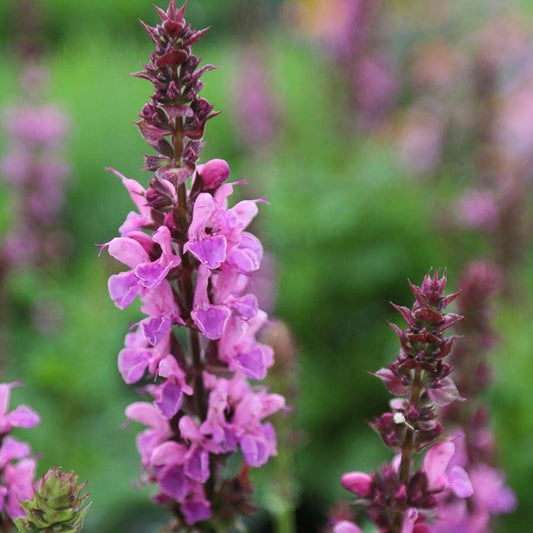

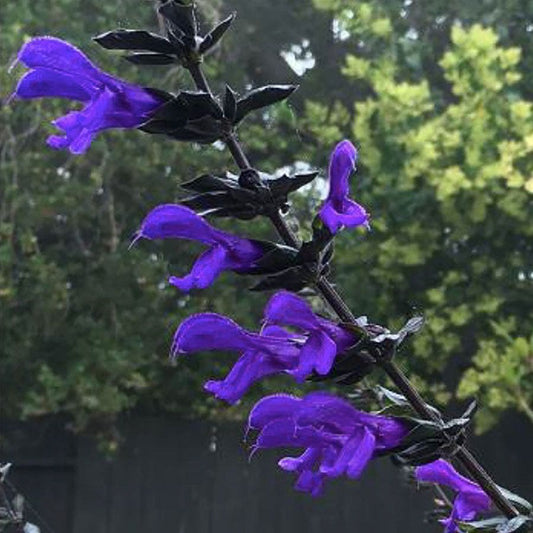
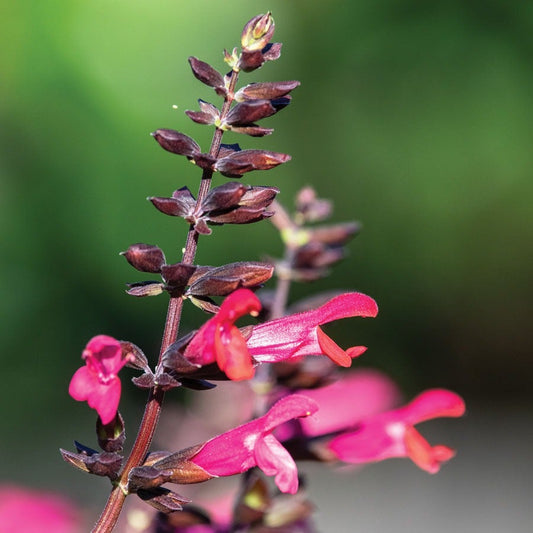
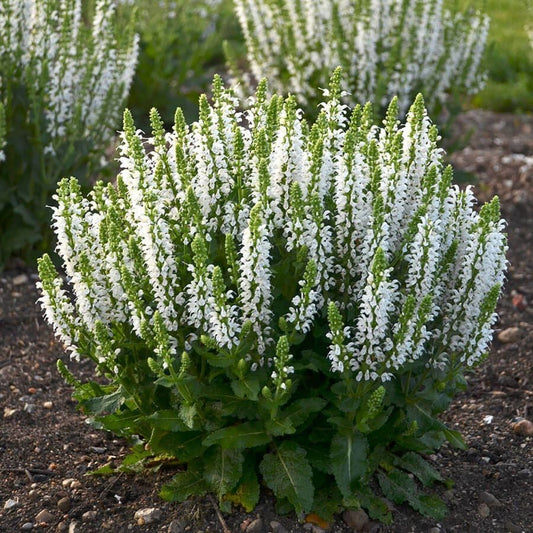
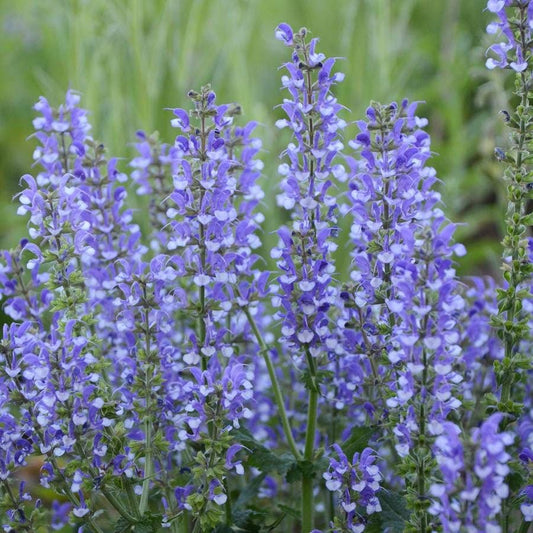
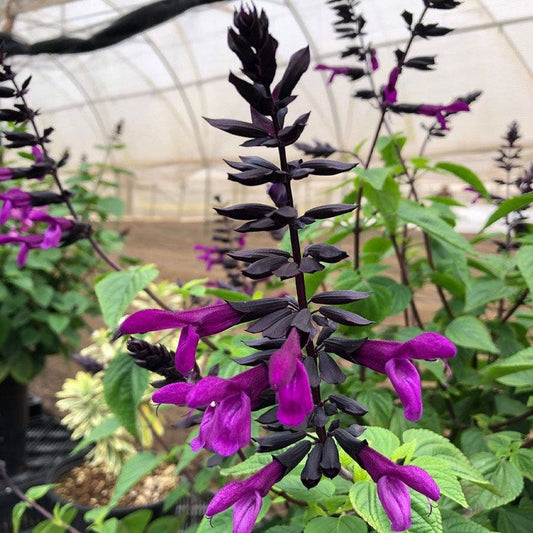
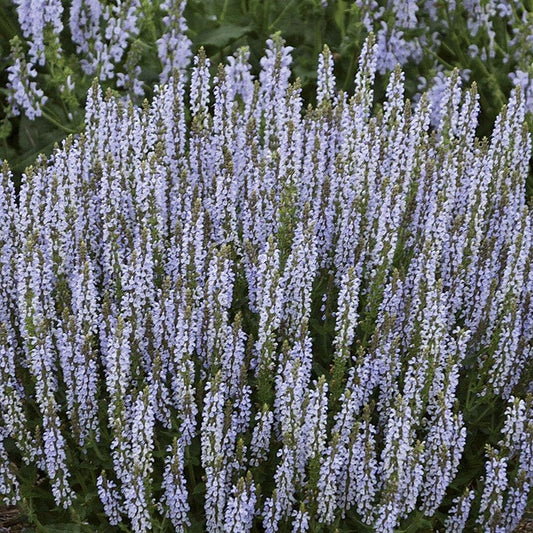

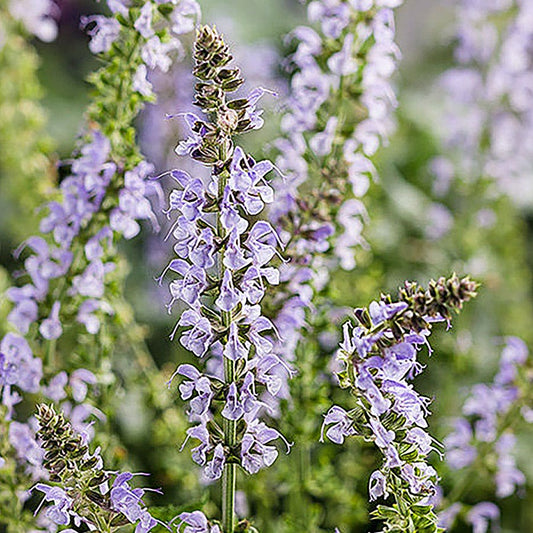
Salvia plants add vertical color and non-stop pollinator activity to sunny gardens. With long-blooming flower spikes and drought-tolerant performance once established, salvia is a low-maintenance choice for borders, beds, and mixed perennial plantings.
Long-Blooming Flowers That Bring in Pollinators
Salvia plants are known for their upright flower spikes and long bloom season. Many varieties are strong pollinator plants, drawing bees, butterflies, and hummingbirds throughout the warmer months. Salvia is also a good option for sunny gardens because it prefers well-drained soil and handles heat well once established.
Is Salvia Perennial?
Many salvia plants are perennials, returning year after year in suitable climates. Some types are grown as annuals in colder regions or treated as tender perennials depending on winter conditions. Check the variety’s hardiness information to choose the right salvia for your zone.
Do Deer Eat Salvia?
Salvia is generally considered deer resistant. While no plant is completely deer-proof, the aromatic foliage makes salvia less appealing to deer than many flowering plants.
How to Plant Salvia
Plant salvia in full sun with well-drained soil. Water regularly during the first few weeks to help roots establish, then water as needed during extended dry periods. Give plants enough spacing for air circulation, especially in humid climates.
How to Deadhead Salvia
Deadheading salvia can encourage more blooms and keep plants looking tidy. Snip off spent flower spikes back to a set of healthy leaves. Many salvias also benefit from a light trim after a flush of blooms to promote repeat flowering.