

Top Heirloom Seeds to Grow
Heirloom seeds have stayed in circulation for a reason, and it's not sentiment. Cherokee Purple for dark, rich slicing tomatoes, Blue Lake 274 for straight, dependable bean harvests, or Bloomsdale Long Standing for thick spinach leaves that hold up in the kitchen. Good heirlooms are not only popular due to nostalgia.
Good heirlooms earn their place on merit. Flavor, texture, kitchen performance, and growing habits that still make sense in a home garden. This guide pulls 13 top picks from Park Seed's current heirloom vegetable seed collection. If you want context on what sets heirlooms apart before you start shopping, Park Seed's guide to organic and heirloom seeds is a useful starting point.
What Makes Heirloom Seeds Worth Growing?
Heirloom seeds are worth growing when you want flavor, texture, harvest habits, and seed-saving potential that feel more personal than a one-size-fits-all variety. In plain terms, an heirloom is an open-pollinated variety gardeners kept in circulation because it delivered something they wanted to grow again.
Park Seed's non-GMO standards, long trialing history, and current heirloom collection make it easier to shop from labeled varieties instead of guessing which old favorites are still available.
Use these points to decide if heirlooms fit your 2026 garden plan.
- Flavor comes first: many heirlooms were carried forward because people wanted to eat them again, not because they shipped well.
- Seed saving stays simple: open-pollinated varieties let you save seed from your best plants if you control cross-pollination where needed.
- Garden diversity improves: a mixed heirloom patch spreads risk across shapes, days to maturity, and weather tolerance.
- History stays visible: each packet connects you to the gardeners and families who kept that line alive before it ever reached a catalog.
How We Chose These 13 Heirloom Varieties
We chose these 13 heirloom varieties from Park Seed's current heirloom vegetable collection. The list leans on flavor, kitchen usefulness, manageable plant habit, and the kind of variety differences gardeners can notice in the bed or at the cutting board.
These were the practical filters behind the final lineup.
- Taste and texture: every pick has a clear kitchen use, from dense slicers and roasting eggplant to crisp picklers and sweet fresh carrots.
- Garden reliability: the list favors heirlooms that home gardeners can handle in beds, raised rows, or larger containers with normal seasonal care.
- Crop range: the final set includes slicers, sauce tomatoes, beans, cucumbers, greens, roots, brassicas, and peppers instead of leaning too heavily on one crop.
- Clear variety identity: every variety in this roundup comes directly from Park Seed's heirloom collection page, so there's a consistent verification standard behind each pick.
13 Best Heirloom Seeds To Plant In 2026
Pick varieties that match your heat, space, and the way you cook, then build the bed around those anchor crops.

1. Cherokee Purple Tomato
Cherokee Purple stays on heirloom shortlists because the fruit ripens to dusky rose-purple, the flesh stays dense and juicy, and the flavor leans rich and slightly smoky instead of simply sweet. It is the kind of slicer gardeners remember after one sandwich because it tastes different from standard red tomatoes.
- Why gardeners keep it: dusky color, deep flavor, and broad slices that hold up well on the plate.
- Best fit: full-sun beds with sturdy support and gardeners who want an indeterminate heirloom worth waiting for.
- Where to buy: Cherokee Purple Organic Tomato Seeds.
- Quick tip: harvest when the shoulders start to soften slightly, because fully colored fruit can go from perfect to overripe fast in hot weather.

2. Brandywine Tomato
Brandywine stays on best-heirloom lists because the fruit runs large, meaty, and full flavored, with fewer seed cavities than many slicers. Gardeners grow it when they want thick slices for sandwiches and salads, not a basket of small salad tomatoes.
- Why gardeners keep it: rich flavor and broad, meaty slices.
- Best fit: beds with strong support and gardeners willing to wait a little longer for flavor.
- Where to buy: Brandywine Tomato Seeds.
- Quick tip: prune lightly and keep watering even so large fruit do not split after a dry spell.

3. San Marzano Tomato
San Marzano belongs in an heirloom garden when you want a paste tomato that cooks down with less fuss. The fruit shape, lower seed count, and dense flesh make it a practical choice for sauce days, roasting pans, and gardeners who want tomatoes that do more than fresh slicing.
- Why gardeners keep it: dense flesh, fewer seeds, and strong kitchen value for sauce and roasting.
- Best fit: gardeners who preserve tomatoes or want a dependable paste type in the same garden as slicers.
- Where to buy: San Marzano Organic Tomato Seeds.
- Quick tip: keep up with picking once the first flush colors, because paste tomatoes can pile up all at once when the weather cooperates.

4. Blue Lake 274 Bush Bean
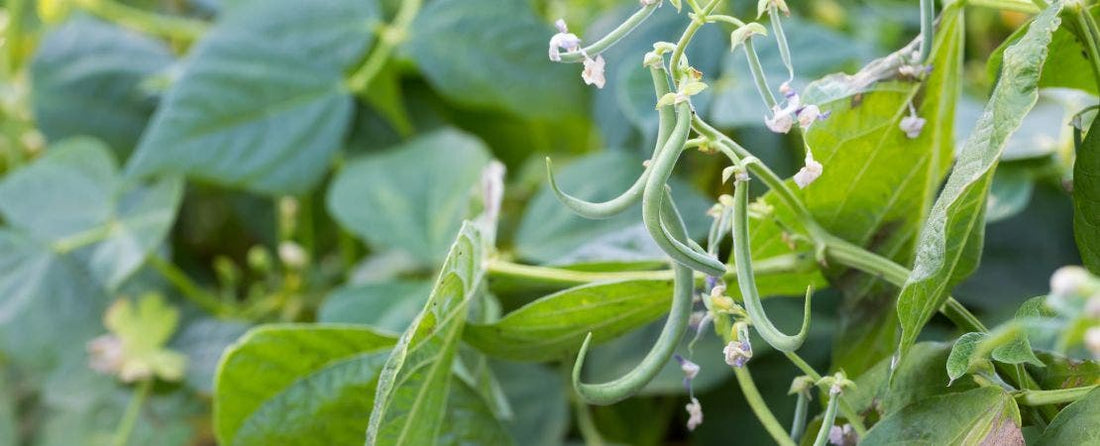
Blue Lake 274 Bush Bean makes sense in an heirloom roundup because it gives you straight, meaty pods on bush plants that do not need a trellis wall. It is the kind of bean that works for quick steaming, weeknight suppers, and a row you can keep picking hard while it is in stride.
- Why gardeners keep it: straight pods, bush habit, and a harvest that is easy to keep clean and easy to pick.
- Best fit: raised beds, family gardens, and gardeners who want beans without building support.
- Where to buy: Blue Lake 274 Bush Bean Seeds.
- Quick tip: pick often while the pods are slim and smooth, because steady harvesting keeps the plants setting new beans.

5. National Pickling Cucumber
National Pickling stays popular because the cucumbers size up evenly, keep a crisp bite, and fit pickle jars without much trimming. Gardeners like it because the same planting can cover both quick pickles and fresh eating while the fruit is still young.
- Why gardeners keep it: uniform pickling size and crisp texture.
- Best fit: raised beds, trellised rows, and pickle-minded summer gardens.
- Where to buy: National Pickling Cucumber Seeds.
- Quick tip: pick every day once the plants start running, because cucumbers get seedy fast in hot weather.

6. California Wonder Pepper
California Wonder stays useful because it gives you the familiar blocky bell pepper shape most cooks want for stuffing, slicing, and fajita pans. In an heirloom bed, it is the kind of variety that bridges old seed lines and everyday kitchen use without feeling fussy.
- Why gardeners keep it: blocky fruits, familiar sweet-pepper use, and a shape that works well stuffed or sliced.
- Best fit: warm summer gardens, raised beds, and gardeners who want a classic bell type.
- Where to buy: California Wonder Organic Pepper Seeds.
- Quick tip: let some fruits color past green if you want a sweeter flavor and a heavier harvest feel at the end of summer.

7. Sweet Banana Pepper
Sweet Banana Pepper gives you a different pepper shape and use from a bell type, with long tapered fruit that slices quickly for sandwiches, pizza, and pickling jars. It earns garden space when you want a pepper plant that stays useful across several kinds of cooking.
- Why gardeners keep it: tapered shape, quick slicing, and sweet flavor that works fresh or pickled.
- Best fit: containers, raised beds, and gardeners who use a lot of fresh peppers in the kitchen.
- Where to buy: Sweet Banana Pepper Seeds.
- Quick tip: isolate peppers if you plan to save seed and grow more than one pepper variety nearby.

8. Heirloom Cutting Blend Lettuce
Heirloom Cutting Blend Lettuce gives you a quicker payoff than many warm-season heirlooms because you can start clipping leaves early. The mix is useful when you want tender salad greens without waiting for heads to size up, and it keeps a kitchen garden looking active while slower crops are still coming on.
- Why gardeners keep it: early cut-and-come-again harvests and a mix that builds better salad bowls than a single lettuce type.
- Best fit: spring and fall beds, containers, and gardeners who want frequent small harvests.
- Where to buy: Heirloom Cutting Blend Lettuce Seeds.
- Quick tip: cut outer leaves young and often so the planting stays tender instead of turning coarse all at once.

9. Waltham 29 Broccoli
Waltham 29 Broccoli gives heirloom growers a brassica with clear dinner value: full heads for the main cut, then side shoots that keep the plant useful after the first harvest. It is a smart choice for gardeners who want heirlooms beyond tomatoes and peppers.
- Why gardeners keep it: a useful main head followed by side-shoot harvests that stretch the row longer.
- Best fit: cool-season planting windows and gardeners who want more than one cut from each plant.
- Where to buy: Waltham 29 Heirloom Broccoli Seeds.
- Quick tip: harvest the central head promptly so the side shoots have time to size up before warm weather pushes the planting to flower.

10. Bull's Blood Beet
Bull's Blood belongs in an heirloom bed because it gives you dark red baby greens early, then usable roots later. That two-stage harvest is useful in small gardens where one planting needs to cover salad bowls first and roasting pans after.
- Why gardeners keep it: dark leaves, useful roots, and two harvest stages from the same row.
- Best fit: cool-season sowings, raised beds, and gardeners who want both greens and roots from one planting.
- Where to buy: Bull's Blood Heirloom Beet Seeds.
- Quick tip: thin early and eat the baby greens while the roots are still sizing up underneath.

11. Bloomsdale Long Standing Spinach
Bloomsdale Long Standing remains a strong heirloom choice because the savoyed leaves have body in the pan, the plants move fast in cool weather, and the variety is slower to bolt than many spring spinach options. It works well for gardeners who want one sowing to cover salads first and cooked greens after.
- Why gardeners keep it: dependable cool-season growth and leaves that work raw or cooked.
- Best fit: early spring beds and fall sowings.
- Where to buy: Bloomsdale Long Standing Spinach Seeds.
- Quick tip: sow it again at the end of summer for a better shot at long harvests than you often get from a spring-only planting.

12. Lacinato Kale
Lacinato Kale is worth planting when you want a leaf crop with more texture and substance than standard curly kale. The long, puckered leaves hold up to sauteing, soups, and sheet-pan dinners, which gives this heirloom a clear kitchen personality instead of just another patch of greens.
- Why gardeners keep it: textured leaves, sturdy cooking quality, and strong cool-weather usefulness.
- Best fit: spring and fall gardens, raised beds, and gardeners who cook a lot of greens.
- Where to buy: Lacinato Kale Seeds.
- Quick tip: start harvesting lower leaves once the plant has real height so the center can keep pushing new growth.

13. Black Krim Tomato
Black Krim rounds out the list because the fruit brings a darker, saltier, almost winey flavor that stands apart from pink and red beefsteaks. Gardeners who like to compare slicers side by side often keep it for that savory edge alone.
- Why gardeners keep it: dark color, rich taste, and strong plate appeal.
- Best fit: full-sun beds with support and gardeners who want a clearly different tomato.
- Where to buy: Black Krim Tomato Seeds.
- Quick tip: keep seed only from healthy fruit that shows the color and flavor you want to repeat.
How Do You Grow And Save Heirloom Seeds Successfully?

Growing and saving heirloom seeds successfully starts with healthy seedlings, good timing, and careful labeling from day one. You do not need a complicated setup, but you do need clean trays, fresh seed-starting mix, strong plants, and enough separation to keep crosses from muddying the line.
If you are starting indoors, Park Seed's Seed Starting 101, When to Start Seeds Indoors, and germination guide cover the basics before the first tray goes under lights.
Use this short system to keep heirloom seed work manageable.
- Start with your healthiest plants: never save seed from a plant that struggled all season unless you are deliberately selecting for survival under that exact stress.
- Label one plant early: a ribbon or tag beats trying to remember your best fruit in August.
- Know your cross-pollination risk: tomatoes are usually simpler to save than peppers, squash, and melons.
- Let seed mature fully: dry beans need dry pods, tomatoes need dead-ripe fruit, and cucumbers for seed need to stay on the vine far past eating stage.
- Store seed cool and dry: use a labeled envelope or jar away from heat and moisture.
Frequently Asked Questions About Heirloom Seeds
These are the heirloom seed questions gardeners ask most often before they order and again when the season gets moving.
What Is The Difference Between Heirloom, Hybrid, And Organic Seeds?
Heirloom seeds are open-pollinated varieties kept in circulation for their stable traits and garden value. Hybrid seeds come from a deliberate cross between two parent lines. Organic refers to how the seed crop was produced, not to the age or breeding history of the variety.
How Can You Tell If A Seed Is Truly An Heirloom?
A seed is truly an heirloom when it is open-pollinated and sold with a stable variety identity that growers can save and repeat. Look for clear variety names and documented variety information.
Are Heirloom Seeds Better For Beginners?
Heirloom seeds can be excellent for beginners when you start with forgiving crops. Beans, tomatoes, lettuce, beets, and spinach are much simpler entry points than crops that cross heavily. If you need help deciding what belongs in trays versus the garden, Park Seed's direct-sow guide is a useful checkpoint.
Why Do Heirloom Seeds Matter For Food Security And Biodiversity?
Heirloom seeds matter because they keep more genetic diversity in circulation at the gardener level. A broader seed base gives growers more flavor, more adaptation options, and more room to keep lines alive that might not fit large-scale commercial production.
How Does Park Seed Help Gardeners Succeed With Heirloom Varieties?
Park Seed helps by pairing long-standing seed experience with practical growing guidance, non-GMO standards, and seed-starting support that reduces guesswork. The combination of verified product pages, detailed blog guidance, and starter systems like the Bio Dome makes it easier to plan, start, and follow through on a full season.
Start with two or three heirloom seeds you will actually cook and one plant you plan to save seed from. By midsummer, your labels, app or notebook, and dinner plate will tell you which varieties deserve a permanent place in next year's order.
Browse Park Seed vegetable seeds, shop bean seeds, and set up your seed-starting system.